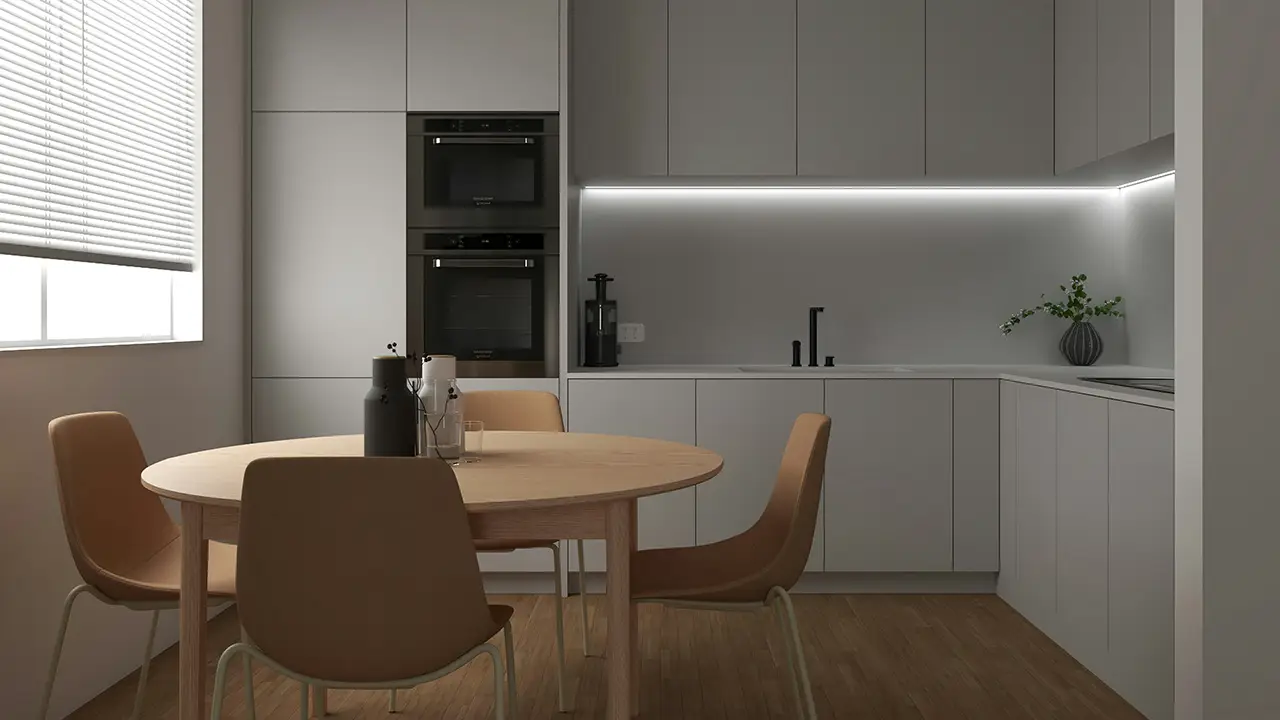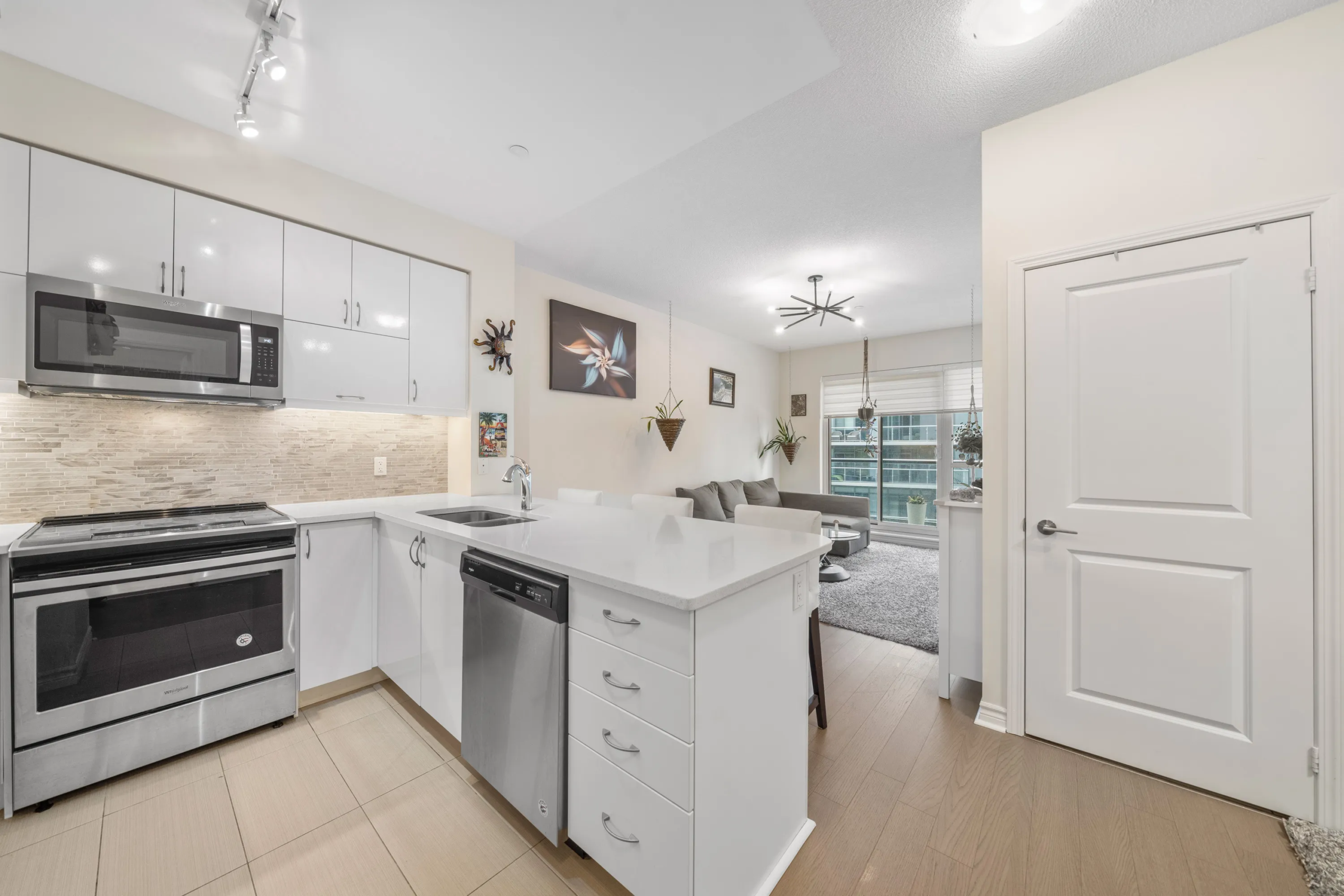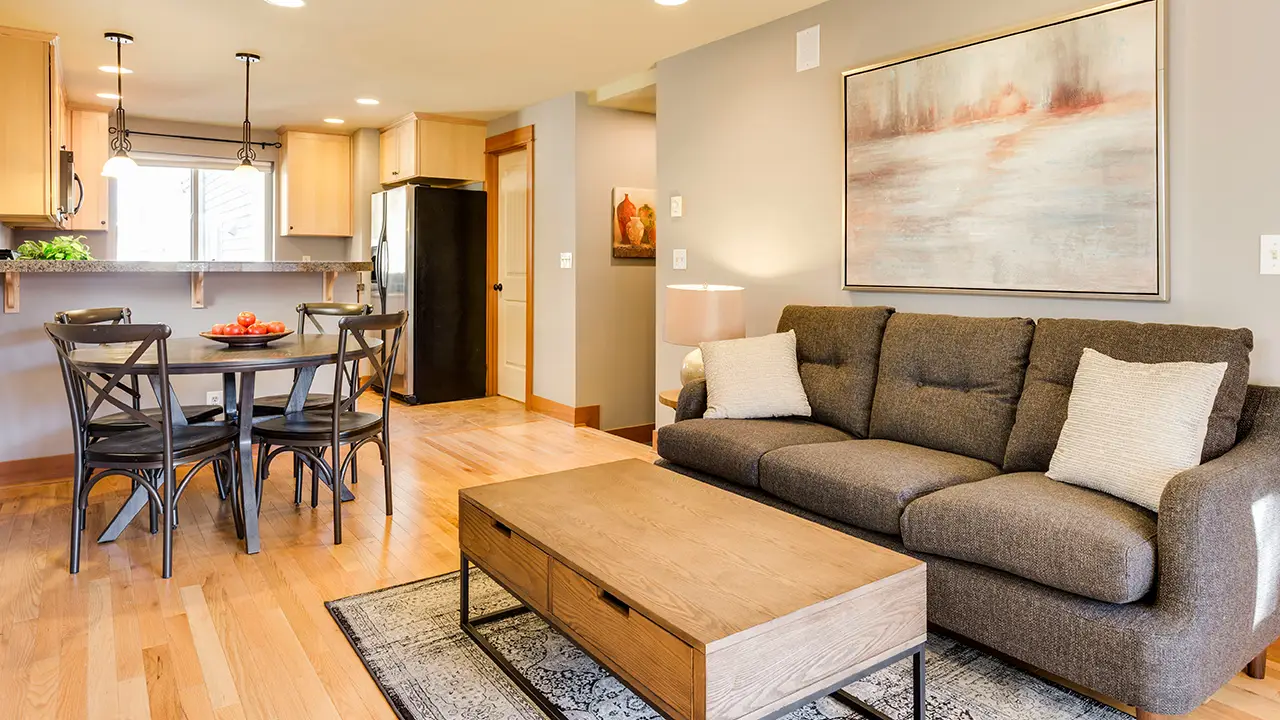
Staging a condo for a fast sale in Toronto comes down to one idea which is show buyers a home they want to live in, not the home you live in. The short answer is simple: clear the clutter, deep clean every surface, and arrange each room to show its size and light.
Buyers compare many Toronto condo units online before they book a single showing. Your listing photos decide whether they book yours.
This article covers what staging costs, how the market shapes your plan, and how to stage both an empty house and a lived-in home. You will finish with a checklist to start this week.
Why Home Staging Matters When You Sell a Toronto Condo
Home staging means preparing a property so buyers see its best version. It is not decorating. Decorating shows your taste. Staging shows buyers a space to picture as theirs. Many of the condo units I list are under 700 square feet, so every square foot has to earn its place.
83% of buyers’ agents said staging made it easier for buyers to visualize the property. Staging helps buyers visualize a life in the space, and it helps attract buyers who scroll past bare listings.
How to make your condo sell faster?
Start with what buyers see first.
Clear the counters, remove personal items, and open the blinds. I had a client with a one-bedroom downtown condo who sat on the market three weeks without an offer. The living area held a large sectional and a desk. We moved both out, added a small sofa and a floor lamp, and reshot the photos. Showings picked up the following weekend, and she accepted an offer nine days later.
Staging affects time on market most when the price is right. A home sells fastest when price, photos, and showings agree. For the full timeline, read my guide on how long it takes to sell a condo in Toronto.
Market Conditions and Your Staging Plan
Market conditions decide how much staging work you need. In a hot market, buyers compete and forgive small flaws. In a slower market, buyers compare listings side by side and pick the cleanest one. In the current Toronto real estate market, condo buyers have room to be picky and prices are softer, so I build every condo staging plan for the second kind of buyer. Match your effort to the buyers you will meet.
Are condo prices still dropping in Toronto?
Yes, but slowly. WOWA’s summary of TRREB’s August data puts the average GTA condo apartment price at $617,593. The figure is down 3.8% from a year earlier and 2.9% below July. TRREB’s own benchmark index for all home types across the region fell 4.5% from a year earlier.
Softer prices raise buyer expectations. Buyers take their time, compare units, and walk away from listings with visible flaws. Check the latest numbers on TRREB’s Market Watch page before you list, because they change every month.
What Professional Staging Includes
Professional staging is a service, not a shopping trip. A stager walks through your unit, builds a staging plan, and brings in furniture, art, and accessories to match it. Staging companies in Toronto offer three levels of help. Consultation only services give you a written to-do list, and you do the work. Occupied staging adds pieces around your existing furniture. Full staging furnishes an empty unit from top to bottom.
Professional home staging follows one order: assess, plan, install, photograph, then remove everything after the sale. Not all condo units need every step.
Working With a Professional Stager
A professional stager reads a room the way buyers do. Search for Toronto home staging and you will see dozens of options, so compare a few. Ask how many condo units each one has staged, and ask to see listing photos of finished work. Look for an accredited staging company and ask which association accredited it. Do not hire the first accredited staging company you find. Ask what the staging services include, too.
How much does it cost to stage a house in Toronto?
Costs depend on the service and the size of the property. Staging in Toronto starts with a consultation at $0 to $450, and occupied staging runs $1,000 to $2,500.
Full staging of a condo under 700 square feet runs $2,500 to $3,500, and a 700 to 1,100 square foot condo runs $3,500 to $4,500. Detached homes with three or four bedrooms cost $5,000 to $8,000. Luxury properties cost $8,000 to $20,000 or more.
Compare those costs with the return. The National Association of Realtors reported 29% of agents said staging raised the dollar value offered by 1% to 10%. On a $600,000 condo, the range is $6,000 to $60,000. At the high end, the return is tens of thousands of dollars. Ask two or three staging companies for quotes, because prices differ by inventory and service.
Condo Staging Room by Room
Toronto condo staging follows one rule: make every room show what it is for. NAR’s survey found agents most often stage the living room (91%), the primary bedroom (83%), and the dining room (69%). Start there, then work outward.
Work in a fixed order so nothing gets missed. Clean first, clear second, arrange third, and add accessories last. Plan one weekend per pass for a one-bedroom unit. The order matters because a dirty room hides good furniture placement, and a cluttered room hides a clean one.
Start With a Deep Clean
Do the deep clean before any furniture moves. Scrub the grout, wipe the appliances, and wash every window, including the balcony glass. Clean windows let in natural light, and natural light is the best free feature a unit has. Open the oven and the fridge, because buyers look inside both. Wipe the closet doors too, since potential buyers open them. Add a fresh coat of neutral paint anywhere the walls show scuffs.
Making the Dining Area Work
Many condos have no separate dining room, so give the dining area a clear job. Set a small table with two or four chairs. Use a round table if the space sits in a corner, because round tables leave more room to walk. Good space planning keeps a clear path from the entrance to the balcony. Remove extra table leaves and any bulky sideboard. Skip the glass table if it shows every fingerprint.
Setting Up the Primary Bedroom
The primary bedroom should feel calm and open. Arrange furniture so the bed sits on the longest wall with room to walk on both sides. Use white or soft grey bedding, two matching lamps, and a small rug under the bed. Soft light and clean bedding create a welcoming atmosphere. Move the desk, the exercise bike, and the storage bins out. Buyers want to picture sleeping here, not working here.
Staging an Empty House or Vacant Condo
An empty house shows every mark on the wall and floor. Buyers struggle to judge scale without furniture, and bare rooms look smaller than furnished ones. Vacant homes also lack warmth. Buyers make an emotional connection when they picture their own life in a room, and vacant properties give them nothing to picture. This is where a stager earns the fee. A few well-chosen pieces show buyers where the sofa goes, how big the bed is, and how much walking room the unit has.
Virtual Staging or Rental Furniture?
Virtual staging adds furniture to listing photos with software. It is quick, works for online listings, and suits a unit with no time for a full install. It fails at the showing. One investor client of mine had a vacant one-bedroom in Liberty Village and chose virtual staging alone. Buyers liked the photos and felt let down in real life. Photos set buyer expectations, and the unit has to meet them. We rented furniture for the living room and bedroom, and an offer arrived after the next two showings.
Furniture Arrangement in Empty Rooms
Furniture arrangement matters most in empty rooms. Place a sofa and one accent chair in the living room, a bed and two side tables in the bedroom, and a small table in the dining area. Choose modern furniture with slim legs and light fabric. Slim pieces show more floor, so rooms look larger. Hang one large piece of art at eye level on the main wall, because one large piece looks calmer than five small ones. Skip oversized sectionals.
Occupied Staging Without Buying New Furniture
Occupied staging works with what you own. A stager edits your existing furniture, removes extra pieces, and adds a few accessories. It fits most properties where owners still live, and it costs less than full staging. Most homeowners I work with stay in the unit during the sale, so you keep your routine. The unit only has to look ready on short notice.
Using Your Own Furniture in Occupied Homes
Your own furniture is not the problem. The amount of it is. Occupied homes hold more pieces than the room needs, so the staging work here is mostly subtraction. In my experience, removing about a third of the furniture opens the room. Keep the best sofa, the cleanest chair, and the bed. Add one small potted plant to the coffee table for visual appeal, and stop there.
Family Photos and the Storage Unit
Take down family photos before the first showing. Buyers look at faces instead of rooms, and they feel like guests in someone else’s home. I had a client with two kids and a hallway covered in photos and school art. We packed twelve boxes and rented a storage unit for six weeks. The hallway looked wider, the closets looked bigger, and the unit sold on its second weekend. Clutter hides storage space and lowers perceived value, so move it out of sight.
DIY Staging on a Budget
DIY staging works when you follow a plan and stay disciplined. Use your own furniture, borrow a few neutral accessories, and rent nothing. If you want expert eyes first, book consultation only services and do the work yourself. My guide to small condo decorating ideas covers tight spaces in detail. Set aside two weekends, one for clearing and cleaning and one for arranging.
What are the biggest home staging mistakes?
Too much furniture ranks first. Sellers fill every corner, and rooms shrink. Heavy drapes come second because they block natural light. Third, sellers stage for themselves instead of for target buyers. A unit near the Financial District suits professionals who want a desk nook. A two-bedroom near a park suits families who want a play corner. Fourth, sellers fight an unusual layout instead of showing how it works. Give an odd corner a clear job, such as a reading chair.
Staging a Condo for a Fast Sale in Toronto: Your Action Plan
Here is the order I follow with every seller.
Book a consultation and write your staging plan.
Deep clean and add a fresh coat of paint where needed.
Remove a third of the furniture and pack family photos into storage.
Arrange furniture, add lamps, and set the dining area.
Book professional photography once the staging work ends.
Set your asking price with your real estate agent, using recent sales in your building.
Finish steps one through four before the photographer arrives, because photos lock in what buyers see.
Many realtors partner with local stagers and will collect quotes for you. Staged homes photograph better, and listing photos are the first showing every buyer attends. My note on real estate photography explains why it pays off.
Compare all of this with a price cut. Dropping the asking price by 3% on a $600,000 condo removes $18,000, and full staging costs $2,500 to $4,500. Staging does not guarantee more money, but a professionally staged unit gives buyers fewer reasons to negotiate down.
Lessons for Your Next Listing
Save your staging notes when the sale closes. Write down which rooms drew comments, which photos got the most clicks, and what buyers asked about. Your next listing starts from this list instead of from zero. Ask your real estate agent for showing feedback every few days during the listing period, and adjust as you learn. Keep the neutral accessories you bought, too. Investors with more than one unit reuse the same notes and the same accessories.
Final Thoughts
Staging a condo for a fast sale in Toronto rewards preparation. Clean first, clear a third of the furniture, and set each room for its purpose. Match the level of help to your unit and the market, and buyers have every reason to say yes.
If you’re getting ready to list a condo in Toronto, start with a walk-through of your unit.
I’m Marco Pedri, a Toronto real estate agent, and I focus specifically on helping sellers in Toronto prepare, price, and sell their condos, from the first staging plan through to closing. I’m committed to honest advice, real local market insight, and guiding you through the entire process with confidence.
Ask me for a no-obligation walk-through and I will tell you what your unit needs before it hits the market. Request a free Toronto home evaluation or reach out to me directly, and we will build your staging plan together.