Moving to Toronto is one of those decisions that feels exciting… right up until it becomes real.
I’ve had so many conversations where someone’s like, “Yeah, I think I wanna move to Toronto” — and then a week later it turns into:
“Wait… how much is rent?”
“Do I need a car?”
“Where do people even live??”
I get it. I went through that same mental spiral too.
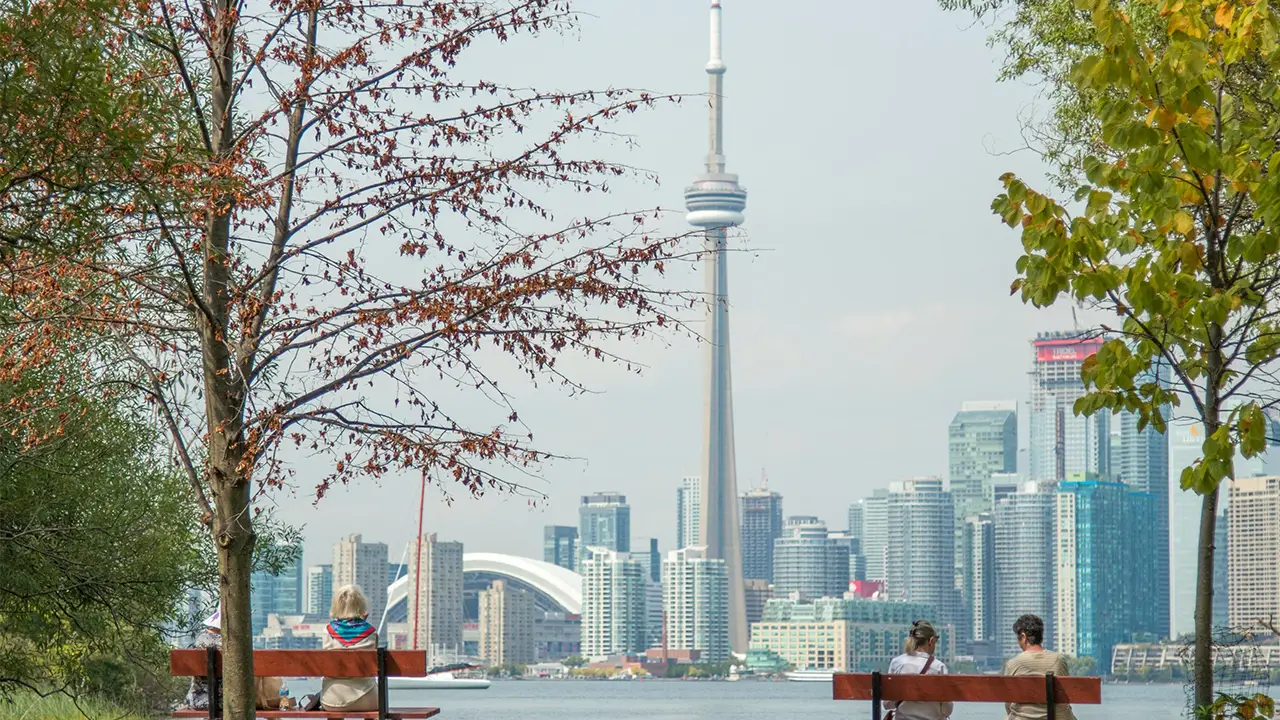
Toronto sits right on Lake Ontario, and yeah, it’s Canada’s biggest city, all that stuff you’ve probably already heard. But what people don’t tell you enough is how different life feels once you’re actually here. It’s fast. It’s loud sometimes. But it’s also… kind of addictive.
As a real estate broker, I talk to people at all stages — some are just curious, others are ready to sign a lease tomorrow. And honestly? The ones who do best are the ones who take a bit of time to actually understand what they’re getting into.
Why Moving to Toronto Is a Major Decision for Canadians and Newcomers
Short answer? Opportunity.
Long answer… it’s a mix of things.
Toronto (and the whole GTA) is basically one of the economic engines of Canada. You’ve got finance, tech, healthcare, media. Essentially everything is happening here at once.
You’ve probably heard of the Toronto Stock Exchange (The TSX) — that alone pulls in a ton of finance professionals. But even outside of that, tech has exploded here. I’ve had clients move just for a job and then realize a year later they had 5 other opportunities lined up.
That said… let me be real for a second.
It’s expensive.
Like, no way around it. Housing especially. I’ve had people come from smaller cities thinking they’ll get a downtown condo for cheap and… yeah, that’s usually a tough conversation.
But weirdly enough, most people still feel it’s worth it. Career growth here is just different.
Understanding Toronto’s Cultural Diversity and Global Appeal
One of the first things newcomers notice about Toronto is its diversity. The city is often described as one of the most multicultural places in the world. In fact, more than half of its residents were born outside Canada.
A quote I often tell people when they move to Toronto that gets the tears flowing (sometimes) is “Canadians are born all over the world, it’s just a matter of time until they come home.”
That diversity shapes daily life in ways that become obvious quickly. Walk through different neighbourhoods and you’ll hear multiple languages, see restaurants serving food from across the globe, and notice communities built around shared culture and traditions.
This diversity is one of the reasons Toronto feels welcoming. There’s a sense that people from all backgrounds have found a place here.
How Cultural Diversity Shapes Everyday Life in Toronto
The city’s cultural mix shows up everywhere. Restaurants, markets, and street festivals celebrate traditions from around the world.
Neighbourhoods like Little Italy offer classic cafés and family-run restaurants, while Kensington Market feels like a global village packed into a few colourful streets. Food markets, vintage shops, murals, and international cuisine sit side by side.
Spending time in different parts of the city often feels like travelling without leaving Toronto.
Why Toronto Is One of the Most Welcoming Cities in Canada
Many newcomers say the city makes it easier to settle compared with smaller communities. Settlement programs help immigrants navigate practical steps like finding housing, building credit history, or searching for work.
Community organizations also play a role. They help people connect locally, whether through cultural groups, job programs, or neighbourhood events.
That sense of belonging matters. For many residents, it’s one of the reasons they decide to stay.
The Toronto Job Market: Opportunities for New Residents
Work opportunities are one of the main reasons people consider moving to Toronto. The local economy is diverse while also constantly evolving.
Finance remains a major industry especially along Bay Street. However, technology has grown quickly over the past decade. Tech companies, startups, and global firms have expanded their presence here, creating demand for software developers, engineers, designers, and digital specialists.
Healthcare and education are also major employers. Large hospitals and universities bring thousands of professionals to the city each year. Media, film, tourism, and hospitality add even more variety to the job market.
Key Industries Driving the Toronto Job Market
Several sectors shape employment in Toronto:
Finance and banking
Technology and software development
Healthcare and medical research
Universities and education institutions
Media, film, and creative industries
Together, these industries help keep the local economy resilient even when markets shift.
Tips for Finding Work Before and After Relocating
Many professionals start their job search before arriving. Online platforms, professional networks, and industry groups can help connect candidates with employers.
Once you’re in the city, networking becomes much more important. Industry events, meetups, and professional communities can open doors that online applications alone sometimes can’t.
Immigration Pathways to Toronto
A large number of newcomers arrive in Toronto through Canada’s immigration programs. Skilled workers, international students, and families all find pathways that allow them to build a life here.
Express Entry is one of the most common immigration systems for skilled professionals. Applicants are evaluated on factors like education, work experience, language ability, and age.
Those who qualify often choose Toronto because the job market offers strong long-term opportunities.
Some newcomers begin with temporary work permits instead. This allows them to gain Canadian experience before applying for permanent residency later.
Family Sponsorship Programs
Family sponsorship programs allow Canadian citizens and permanent residents to bring close relatives to the country.
For many newcomers, arriving with family support makes the transition much easier.
The High Cost of Living in Toronto: What You Should Expect
Toronto offers opportunity, but the cost of living is something new residents quickly notice.
Housing is usually the largest expense. Renting or buying can vary dramatically depending on the neighbourhood and the type of property. Condos in central areas often come with higher prices, while suburban neighbourhoods sometimes offer more space for the same budget.
Rental prices have increased steadily in recent years, especially near downtown or close to subway lines.
Beyond housing, residents should plan for other everyday costs such as:
Utilities and home insurance
Public transportation or vehicle expenses
Groceries and daily necessities
Dining, entertainment, and social activities
Many residents manage these costs by choosing neighbourhoods that balance affordability with access to transit and employment.
Toronto Weather and the Reality of Four Seasons Living
Toronto experiences all four season. Each one changes the rhythm of daily life. Personally, I would be bored if I had the same season all-year round.
Sure – winter can be cold and snowy, especially between January and February but in December, it enhances the Christmas vibe. Many residents rely more heavily on public transit during those months rather than driving. One of my favourite things about Toronto is the PATH. It’s an underground network of walking tunnels or walking corridors and if you live in a building that is connected to the PATH, you can literally go to Pearson Airport without stepping outside.
Summer feels completely different. The city becomes lively as patios open, festivals appear across neighbourhoods, and waterfront parks fill with people enjoying the warm weather.
Spring and fall tend to be the most comfortable seasons. Temperatures are moderate, and the city’s parks look especially beautiful during these months.
Best Places to Live When Moving to Toronto
Toronto has dozens of neighbourhoods. Each one has its own personality. Some areas are dense and energetic, filled with condo towers and nightlife. Others are quieter, with tree-lined streets and family homes.
Choosing where to live usually comes down to budget, commute time, and lifestyle preferences.
Downtown Toronto and Urban Living
Downtown Toronto sits at the centre of the city’s business and entertainment districts. Many professionals choose to live here because everything is within walking distance.
Condominiums dominate the skyline, often offering amenities like gyms, concierge services, and shared workspaces. Public transit is also easy to access thanks to the subway and streetcar network.
For people who enjoy an urban lifestyle, downtown offers constant energy.
Kensington Market and Creative Neighbourhood Culture
Kensington Market is one of Toronto’s most distinctive neighbourhoods.
Colourful storefronts, vintage shops, street art, and international food stalls create an atmosphere that feels creative and slightly unconventional. Artists, entrepreneurs, and small independent businesses have shaped the area’s identity.
It’s not polished. And that’s part of the appeal.
Family-Friendly Communities
Families often search for neighbourhoods with parks, schools, and quieter streets.
Many areas across Toronto offer exactly that. Residential communities with green spaces, community centres, and good schools make it easier for families to settle long term.
Parents often prioritize walkability, access to parks, and nearby recreational facilities when choosing where to live.
Waterfront Living Near the Toronto Islands
Living near Lake Ontario offers some of the most scenic views in the city.
The waterfront features parks, cycling trails, and walking paths that stretch for kilometres along the shoreline. Condo buildings in these areas often include balconies overlooking the lake.
The Toronto Islands provide a peaceful escape from the city. Ferries transport visitors and residents to beaches, picnic areas, and quiet trails with incredible views of the skyline.
Toronto Real Estate: Buying, Renting, and Investing
Toronto’s housing market continues to attract attention from both residents and investors.
Population growth, immigration, and limited housing supply have helped keep demand strong. Property prices vary widely depending on location and property type, so understanding neighbourhood differences is important.
Many newcomers begin by renting. It allows them to explore different parts of the city before deciding where they might want to buy.
Investors also see Toronto as a long-term opportunity. Continued population growth and strong employment sectors help support property values over time.
Lifestyle and Entertainment in Toronto
Life in Toronto isn’t just about work. The city offers a huge range of cultural and entertainment options.
Major events take place throughout the year. The Toronto International Film Festival is one of the best-known, attracting filmmakers, actors, and visitors from around the world.
Restaurants, cultural festivals, live music, and theatre are part of everyday life here. There’s always something happening somewhere in the city.
Outdoor Spaces and Natural Escapes in Toronto
Even though Toronto is a major urban centre, green space is never far away.
The Toronto Islands offer beaches, cycling paths, and quiet picnic areas. City parks provide places to walk, run, or simply relax outdoors.
Many residents spend weekends exploring trails along the waterfront or visiting neighbourhood parks. It’s an easy way to balance city life with time outside.
Transportation and Getting Around Toronto
Getting around Toronto doesn’t necessarily require owning a car.
The public transit system includes subways, buses, and streetcars that connect neighbourhoods across the city and the wider Greater Toronto Area. For many residents, public transit becomes part of daily life.
Major highways also link Toronto with other cities across Canada, making regional travel relatively straightforward.
Practical Tips for a Smooth Transition When Moving to Toronto
Relocating always comes with a learning curve. Taking time to understand the city before settling in can make the transition much easier.
It helps to explore neighbourhoods, compare housing costs, and think carefully about commute times before signing a lease or purchasing property.
A few practical steps can help simplify the process:
Research neighbourhoods before committing to a home
Create a realistic budget for housing and transportation
Visit different communities to understand the atmosphere
Review transit options and commuting routes
Toronto offers a mix of opportunity, culture, and lifestyle that attracts people from around the world. Whether you plan to rent, buy, or invest, understanding the city’s neighbourhoods and housing market will help you make the right decision.
If you’re thinking about relocating and would like guidance on neighbourhoods, property values, or investment opportunities, feel free to contact Toronto real estate agent Marco Pedri. I’m always happy to help people find the right place to call home in Toronto.